

Discover our villages
Discover the hidden heritage of the villages around us.
Altura (Castellón)
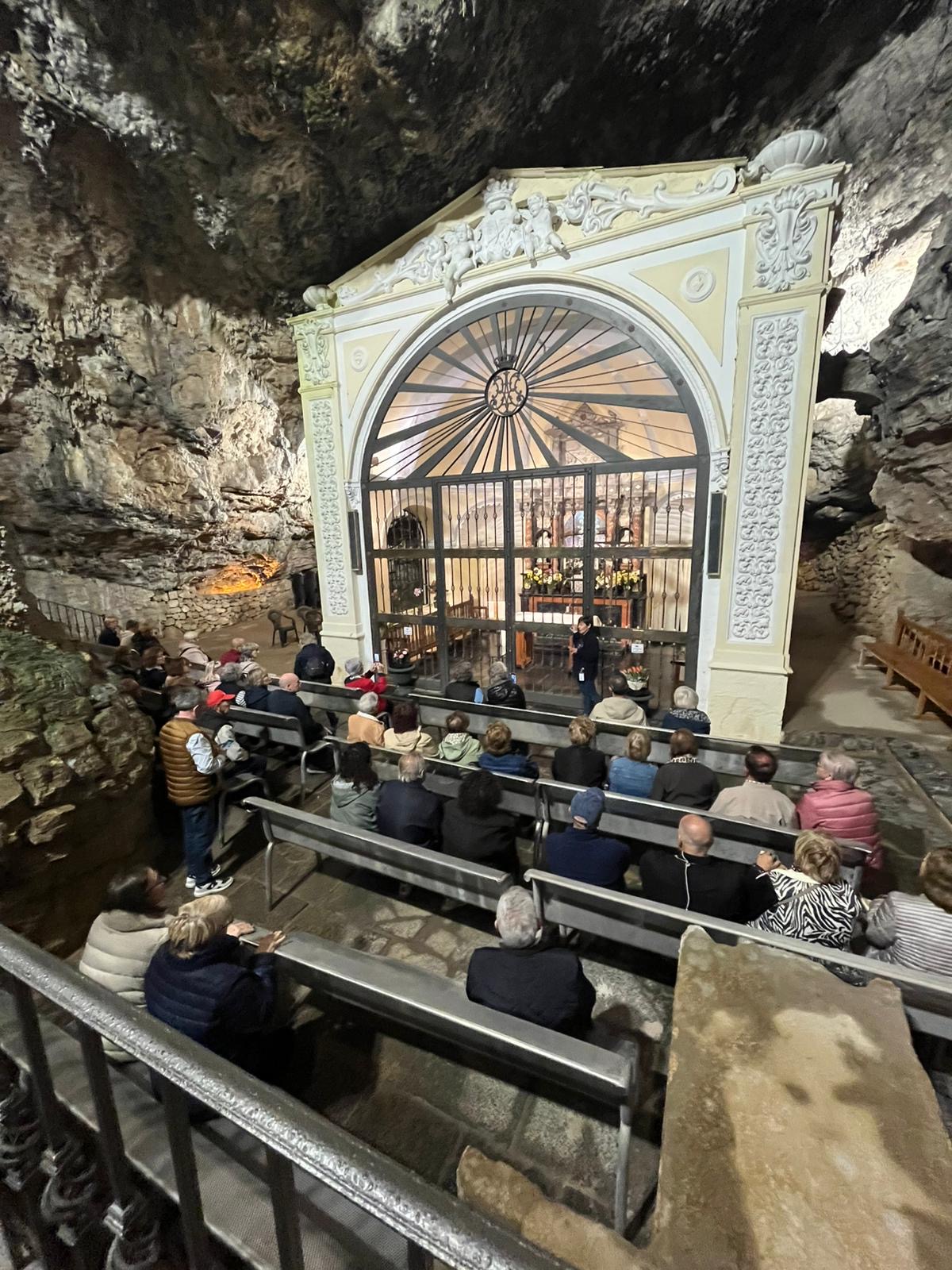
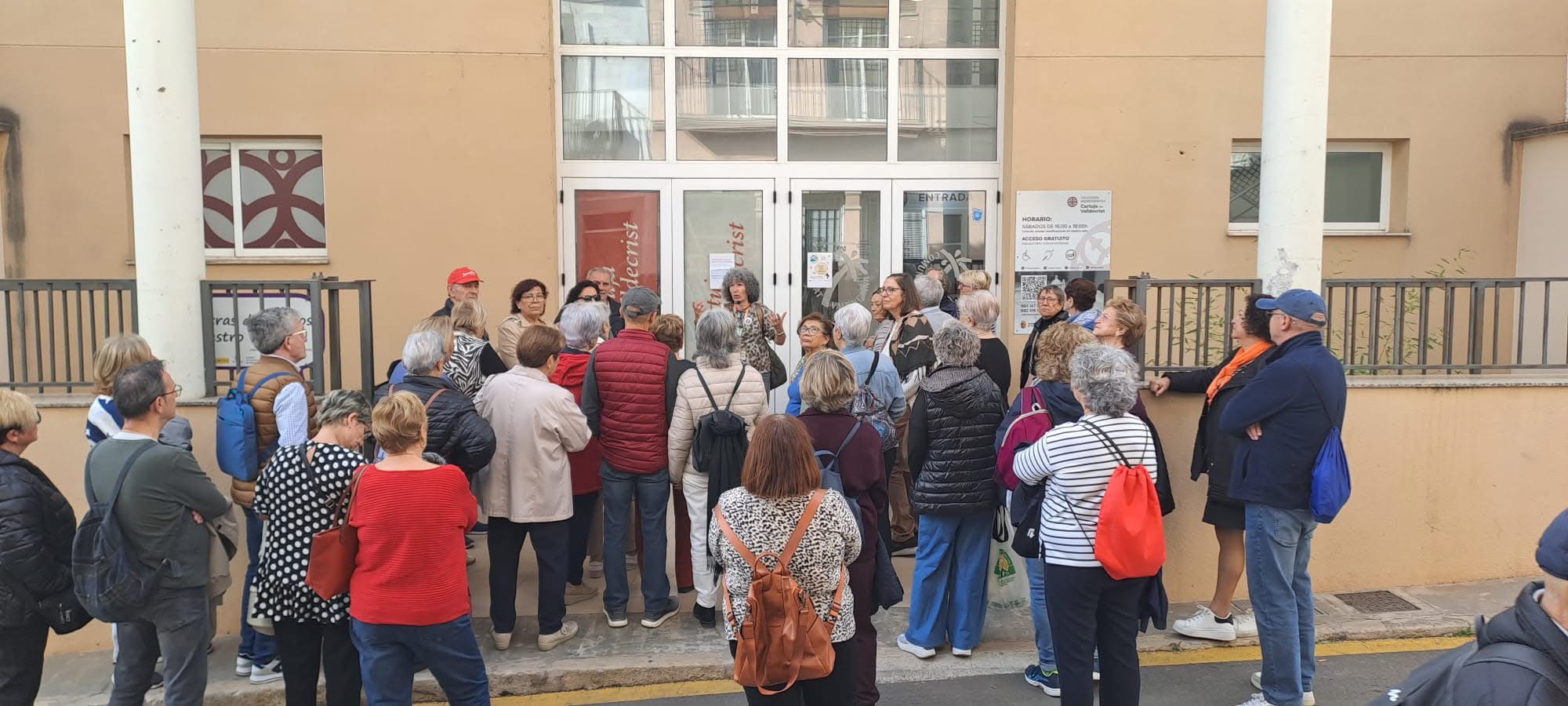
The history of Altura is closely linked to one of the oldest Carthusian monasteries in the Valencian Community, founded after the conquest of King Jaume I, and to the Sanctuary of Cueva Santa, home to the revered Virgin of Cueva Santa, featured in one of Spain’s best-known traditional children’s songs.
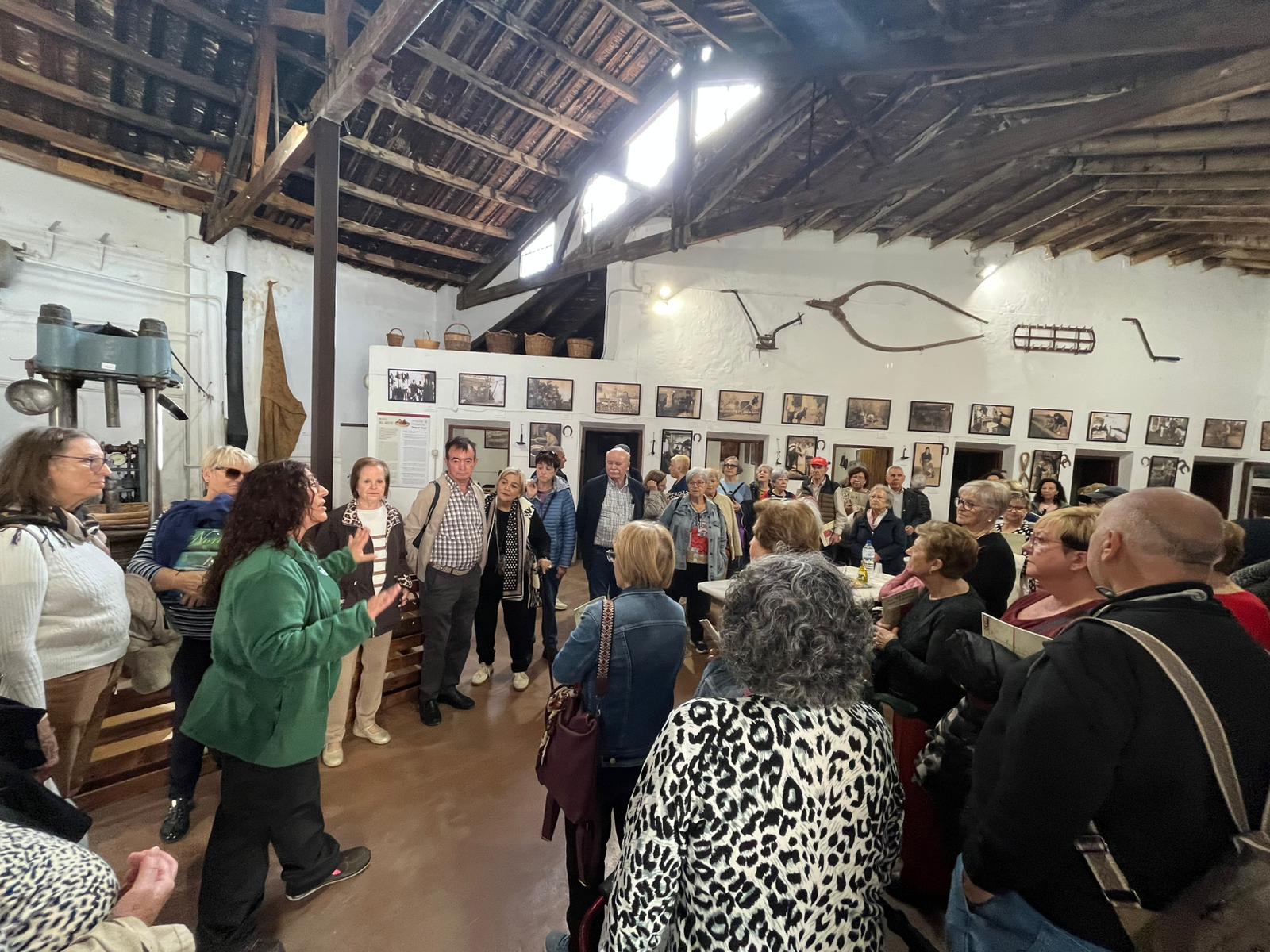
Stroll through the historic centre and visit the Altura Olive Oil Museum, housed in a former olive mill dating back to 1927. Discover the traditional olive oil-making process and enjoy a tasting of its excellent extra virgin olive oil.
🕒 Typical schedule: 9:00 am – 5:00 pm
📅 Availability: All year round
👥 Group size: Approximately 50 people
👍 The activity includes:
~ Guided tour of Altura’s historic centre.
~ Visit to the Altura Olive Oil Museum, including an olive oil tasting.
~ Visit to the museum collection of the Cartuja de Valldecrist.
~ Visit to the Sanctuary of Cueva Santa.
♿ Please note: This site includes slopes and steps and may not be suitable for visitors with reduced mobility.
~ Visit to the Monumental Nativity Scene (Christmas season only).
Contact us for more information.
Buñol (València)
Although Buñol is world-famous for La Tomatina, the town has much more to offer.
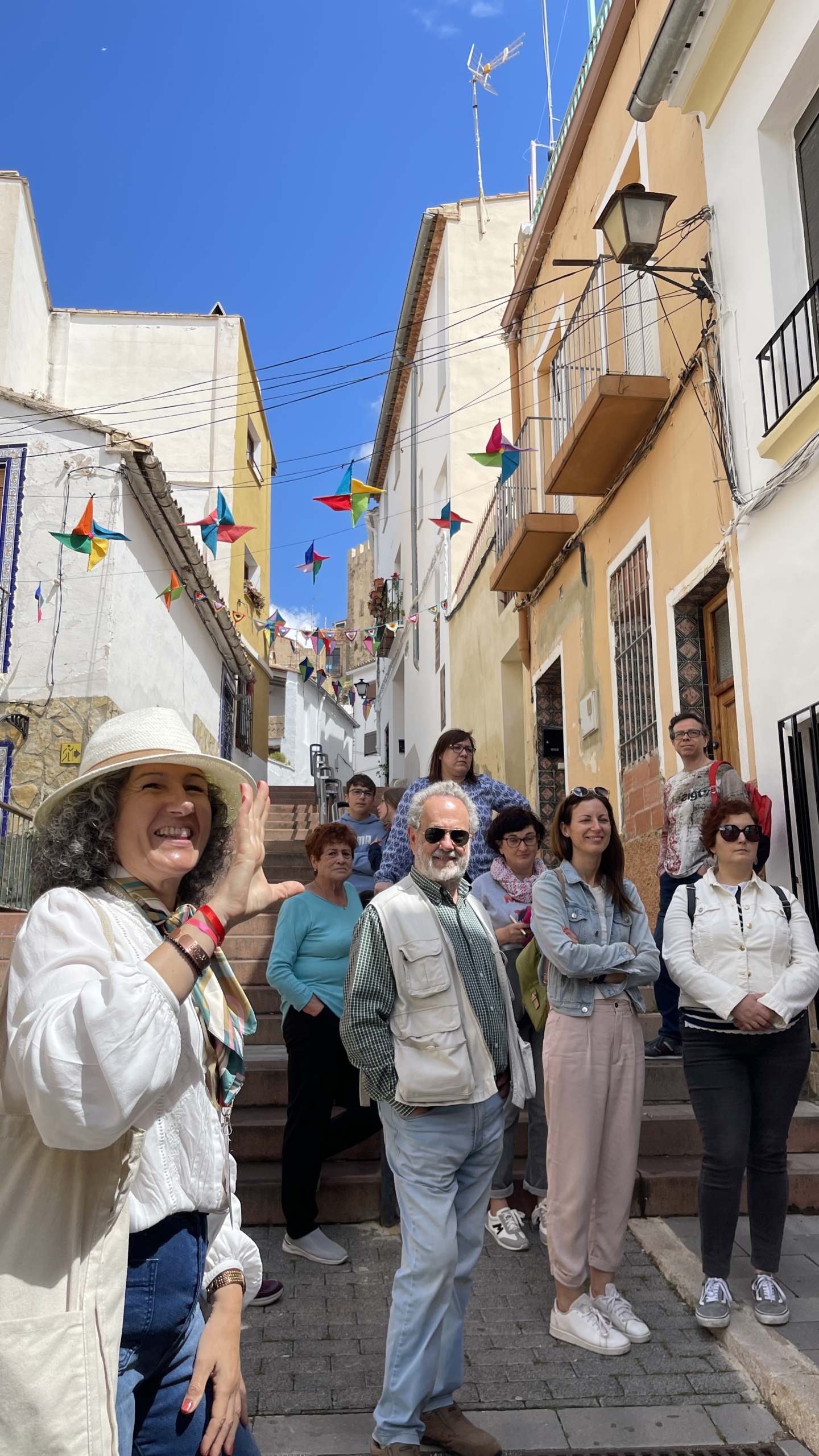
Discover its medieval, industrial and modern heritage on a pleasant walk from the river to the impressive Buñol Castle. Stroll through the historic centre and, if you wish, visit Doña Leo Bookshop, owned by the writer Máximo Huerta.
🕒 Typical schedule: 9:00 am – 5:00 pm
📅 Availability: All year round
👥 Group size: Approximately 50 people
👍 The activity includes:
~ Visit to San Luis Park, its spring and chapel.
~ Visit to the Civil Cemetery.
~ Visit to the La Tomatina Museum.
~ Visit to Buñol Castle, including its towers and the Archaeological Museum.
~ Guided tour of the Castle Quarter.
~ Optional stop at Doña Leo Bookshop.
♿ Please note: This route includes steep slopes and steps, so it may not be suitable for visitors with reduced mobility.
Contact us for more information.
Requena (València)
What comes to mind when you think of Requena?
Wine, traditional sausages, silk, and a town full of charm.
Discover the history and traditions that have shaped Requena as you stroll through its historic streets. Learn about its centuries-old winemaking tradition, visit unique heritage sites, and enjoy a tasting of some of its most representative local products.
🕒 Typical schedule: 9:00 am – 5:00 pm
📅 Availability: All year round
👥 Group size: Approximately 50 people
👍 The activity includes:
~ Visit to the Historic Sisterna Winery, including a tasting of its homemade Cabildero wine accompanied by traditional local sausages.
~ Visit to the Casa-Museo Arte Mayor de la Seda de Requena (Silk Museum), home to the historic Silk Weavers’ Guild.
♿ Please note: This museum has stairs and may not be suitable for visitors with reduced mobility.
Contact us for more information.
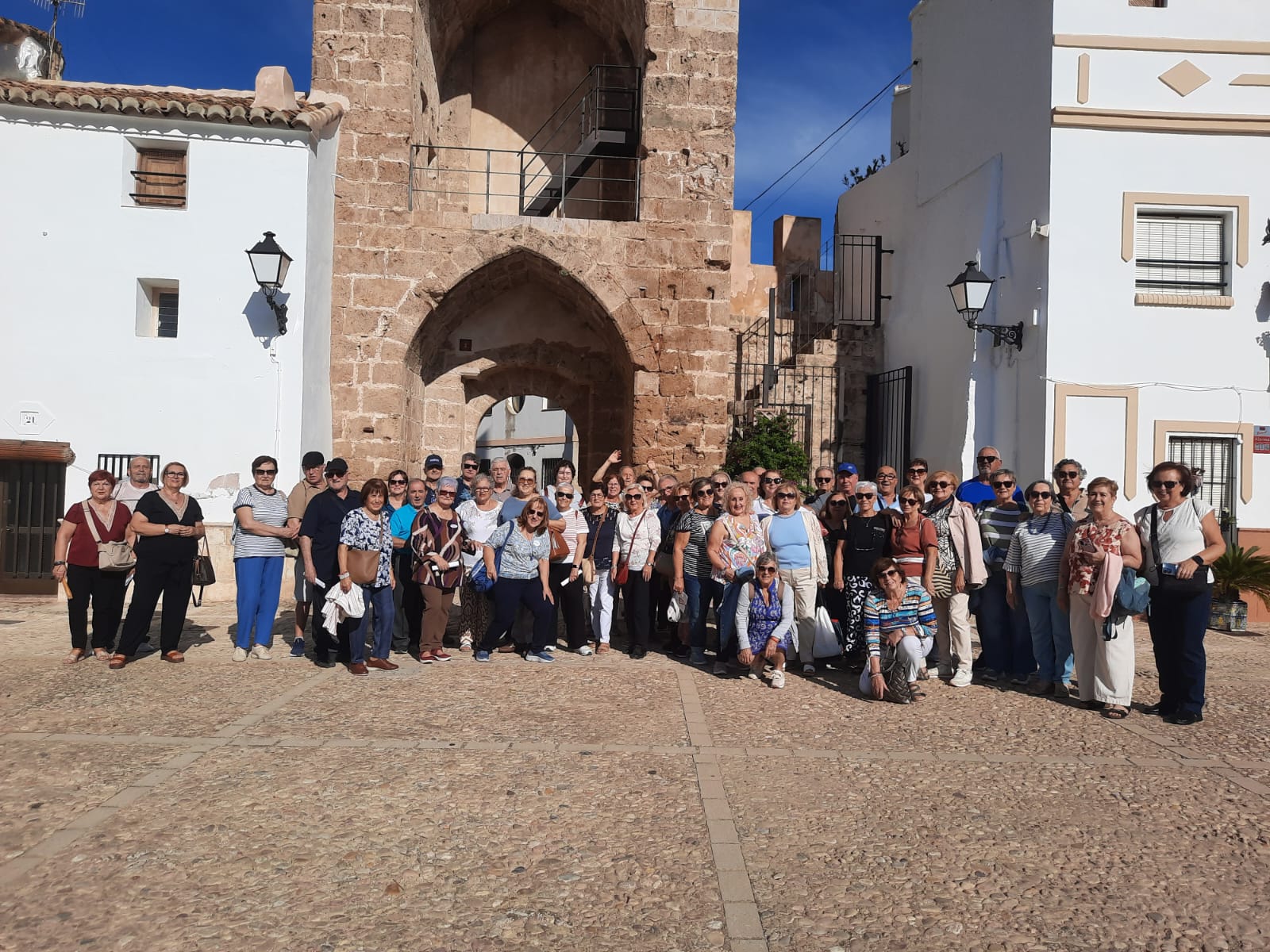
Silla (València)
The origins of Silla date back to the Roman period, with archaeological remains preserved in the MARS Archaeological and History Museum. Later, during the Andalusian period, it became a Muslim farmhouse (alqueria) protected by a defensive tower that formed part of the defensive network of Balansiya. Following the conquest of King Jaume I (James I of Aragon) in the 13th century, Silla became a feudal town, and new landmarks such as its churches were built.
Today, Silla is committed to preserving its rich heritage. We invite you to come and discover it with us.
🕒 Schedule: 9:00 am – 2:00 pm
📅 Availability: All year round
👥 Group size: Approximately 50 people
👍 The activity includes:
~ Visit to the MARS Archaeological and History Museum.
~ Visit to the Muslim Tower. (♿ Please note: this site includes stairs and may not be suitable for visitors with reduced mobility.)
~ Visit to the Parish Church of Our Lady of the Angels.
Contact us for more information.
La Pobla de Vallbona (València)
La Pobla de Vallbona is a town with a rich historical legacy, shaped by Iberian and Roman civilizations, whose presence can still be seen in its archaeological heritage. Its greatest period of development began in the 14th century, when Infant Martí (Martin) and Maria de Luna, Counts of Jérica and Luna, granted the town its Carta Pobla for Christian settlers in 1382. The Royal Road (Camí Reial) passed through the town, encouraging its agricultural growth for centuries, even after the expulsion of the Moriscos in 1609.
🕒 Schedule: 9:30 am – 2:00 pm
📅 Availability: All year round
👥 Group size: Approximately 50 people
👍 The activity includes:
~ Visit to Casa Gran. (♿ Please note: this site includes stairs and may not be suitable for visitors with reduced mobility.)
~ Visit to the 16th-century water cistern.
~ Visit to the Parish Church of St James the Apostle.
Contact us for more information.
Algemesí (València)
Visiting Algemesí means strolling through charming streets such as Plaça del Carbó, Carrer Berca, and Carrer Capella, where history comes to life. Its rich heritage is reflected in remarkable landmarks such as the Basílica of Sant Jaume, the Capella de la Troballa, the Casa de la Senyora Pepa, and its elegant Modernist houses. Discover the town’s traditions and cultural identity at the Museu de la Festa.
🕒 Schedule: 9:30 am – 2:00 pm
📅 Availability: All year round
👥 Group size: Approximately 50 people
👍 The activity includes:
~ Guided historical tour through the Carrers de Volta.
~ Visit to the Basílica of Sant Jaume and the Capella of Mare de Déu de la Salut.
~ Visit to the Casa de la Senyora Pepa.
~ Visit to the Museu de la Festa, located in the former Convent of Sant Vicent.
Contact us for more information.
Chelva (València)
The origins of Chelva date back to the Iberian and Roman periods, although it was during the Andalusian period that the town became an important fortified settlement. Following the Christian conquest in the 13th century, Chelva became part of the Kingdom of Valencia and was home to Christians, Muslims, and Jews for centuries, creating a unique cultural and historical legacy.
Today, its historic centre, declared a Site of Cultural Interest, preserves the distinctive Andalusian, Jewish, and medieval Christian quarters, making Chelva one of the most fascinating historic towns in the region.
🕒 Schedule: 9:30 am – 5:00 pm
📅 Availability: All year round
👥 Group size: Approximately 50 people
👍 The activity includes:
~ Visit to the Viscounts’ Palace.
~ Guided tour of the historic quarters: the Jewish Quarter (El Azoque), the Muslim Quarter (Benacacira), and the Christian Quarter (Ollers).
~ Visit to the Archpriestal Church of Our Lady of the Angels and the Spanish Civil War air-raid shelter.
♿ Please note: this route includes steep slopes and stairs and may not be suitable for visitors with reduced mobility.
Contact us for more information.
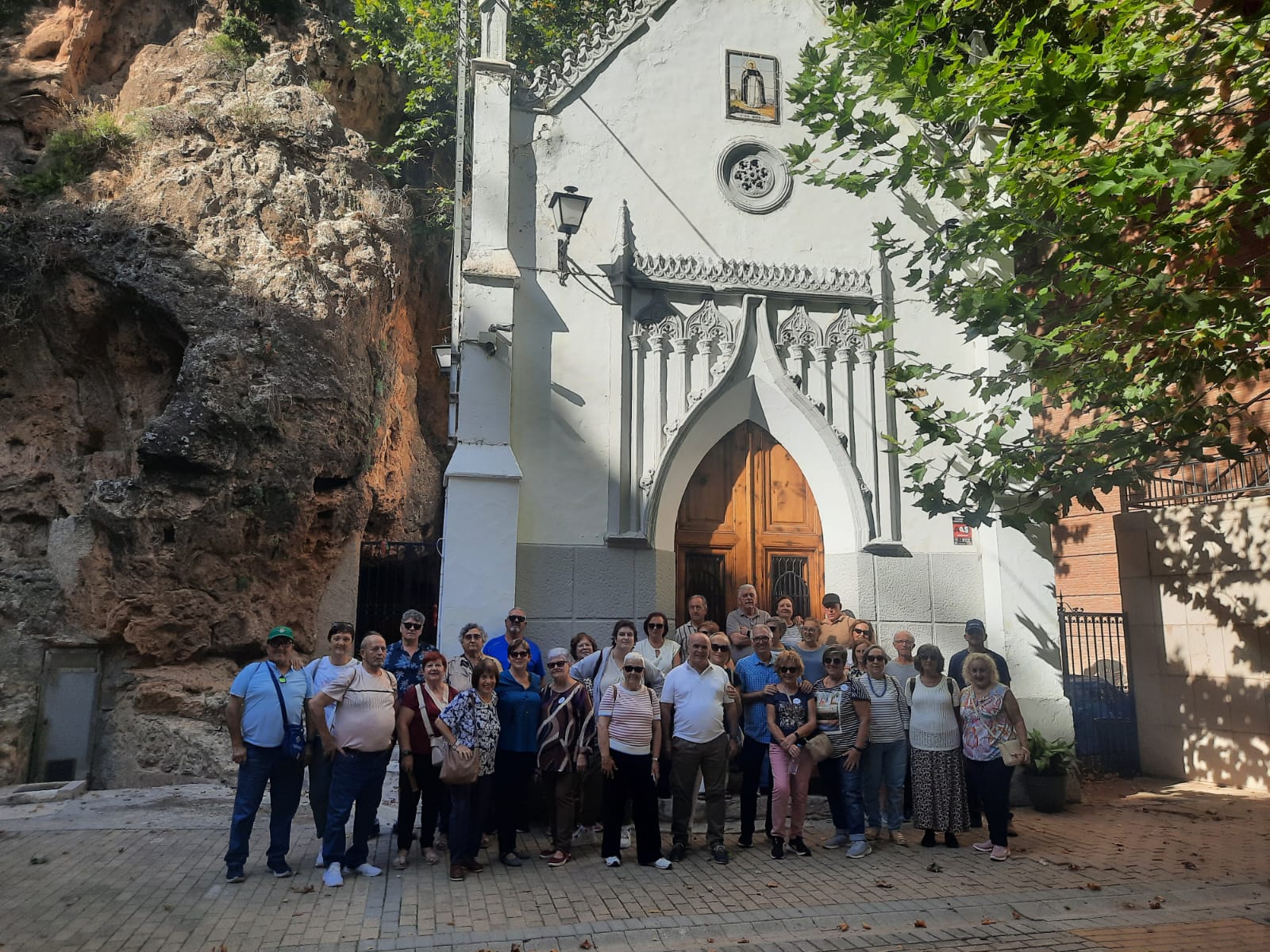
Manises (València)
Thinking of Manises means thinking of ceramics. For centuries, the town was one of the most important centres of ceramic production, renowned for its beautiful golden-lustre pottery, admired by kings and nobles across Europe. Today, its museums and historic streets preserve this remarkable artistic and cultural heritage.
🕒 Schedule: 9:30 am – 2:00 pm
📅 Availability: All year round
👥 Group size: Approximately 50 people
👍 The activity includes:
~ Visit to Manises Railway Station, now home to the Tourist Information Office.
~ Exclusive guided tour of the historic centre, exploring the role of women and ceramics in the history of Manises. (Exclusive to Via Heraclia.)
~ Visit to the Ceramics Museum.
~ Visit to the Edifici de l’Art.
~ Visit to Parque de los Filtros, a ceramic park dedicated to the history of Valencia.
Contact us for more information.
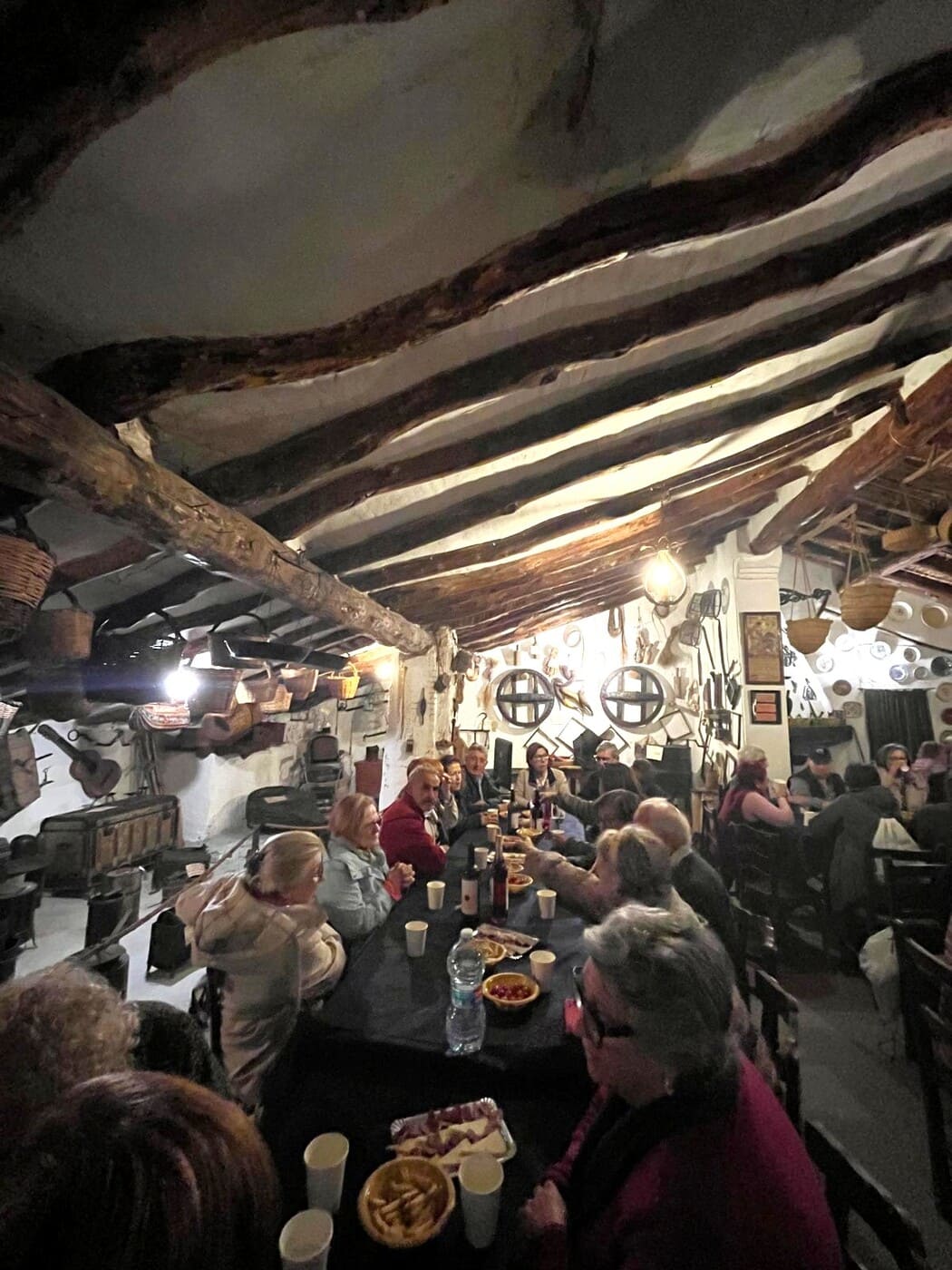
Quart de Poblet (València)
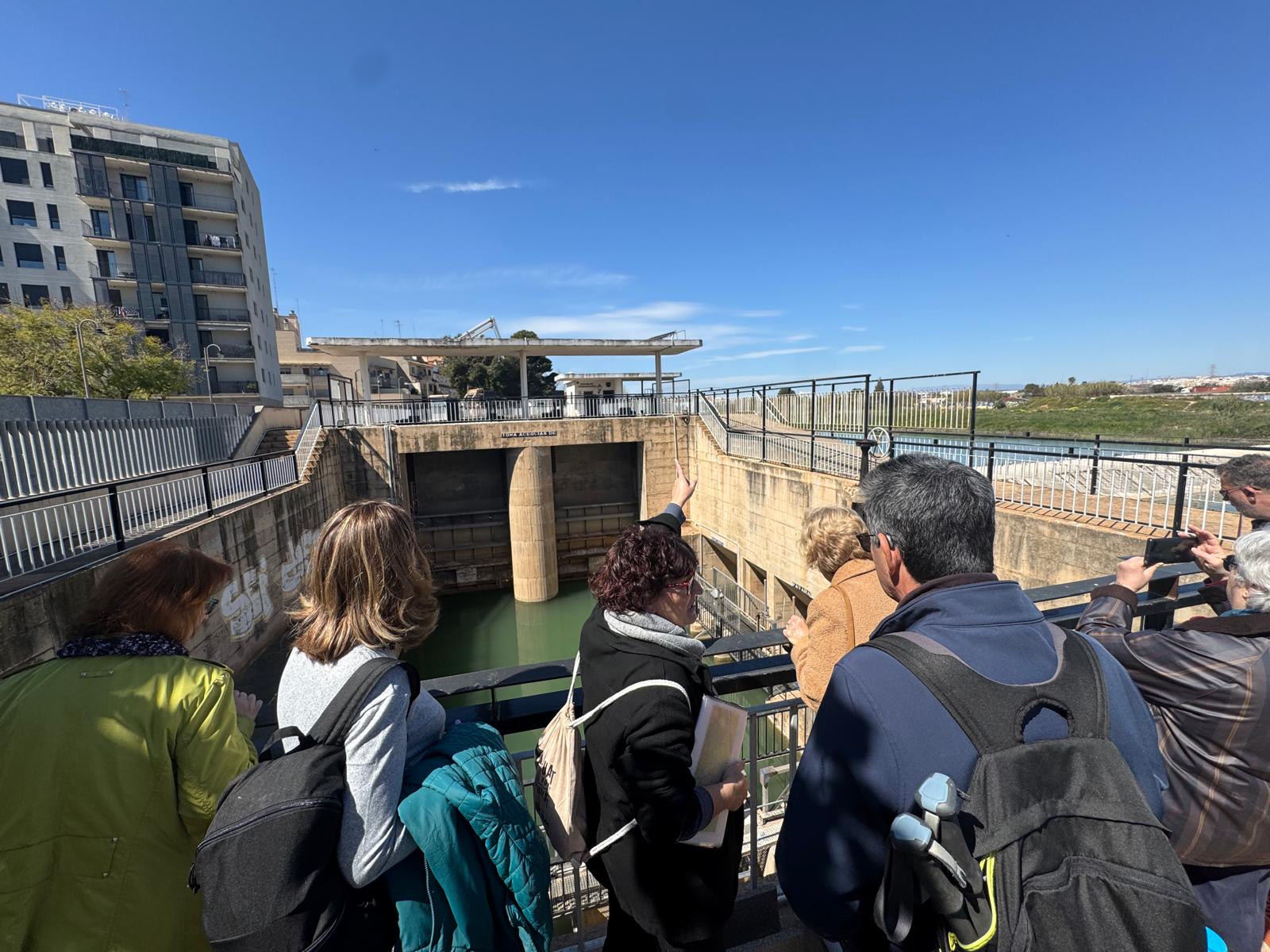
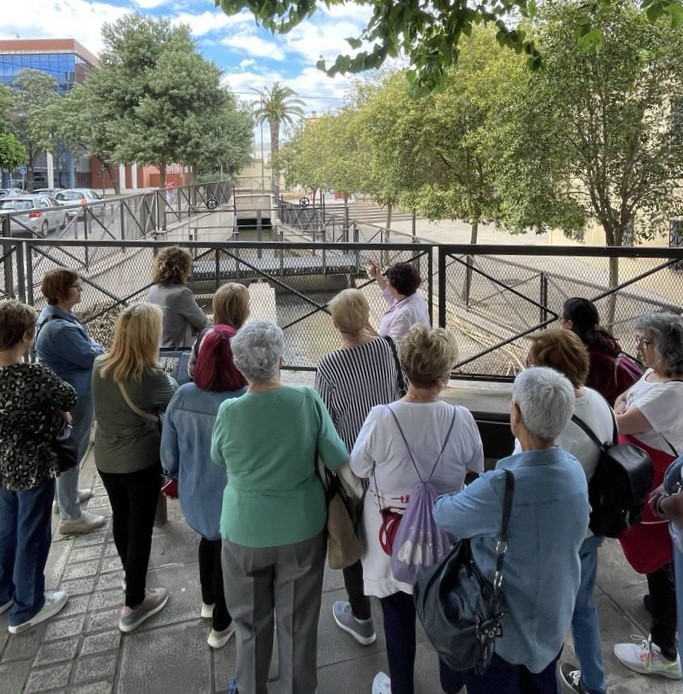
Located in the metropolitan area of Valencia, Quart de Poblet combines tradition, urban development and sustainability. Thanks to its close connection with the Turia River, water has played a fundamental role in the town’s history and growth.
Join us to discover the hydraulic heritage that has shaped Quart de Poblet through the centuries.
🕒 Schedule: 9:30 am – 2:00 pm
📅 Availability: All year round
👥 Group size: Approximately 50 people
👍🏽 The activity includes:
~ Visit to San Onofre Park and the Hermitage of San Onofre.
~ Visit to the 18th-century Water Tribunal Gates (Lenguas de San Onofre).
~ Visit to the 19th-century Valencia Drinking Water Reservoir.
~ Visit to the Mislata Irrigation Canal (Acequia de Mislata).
~ Visit to the Azud del Repartiment (diversion weir).
Contact us for more information.
Llíria (València)
Known throughout history as Edeta, Lauro, Lyria and today’s Llíria, this remarkable town has been home to Iberians, Romans, Muslims and Christians. Each civilisation has left its mark, allowing visitors to explore more than two thousand years of history through its exceptional archaeological and architectural heritage.
Would you like to discover how Llíria has evolved through the centuries? Join us and explore this fascinating town, proudly recognised as a UNESCO Creative City of Music.
🕒 Schedule: 10:00 am – 1:30 pm
📅 Availability: All year round
👥 Group size: Approximately 50 people
👍🏽 The activity includes:
~ Visit to the Roman Mausoleums.
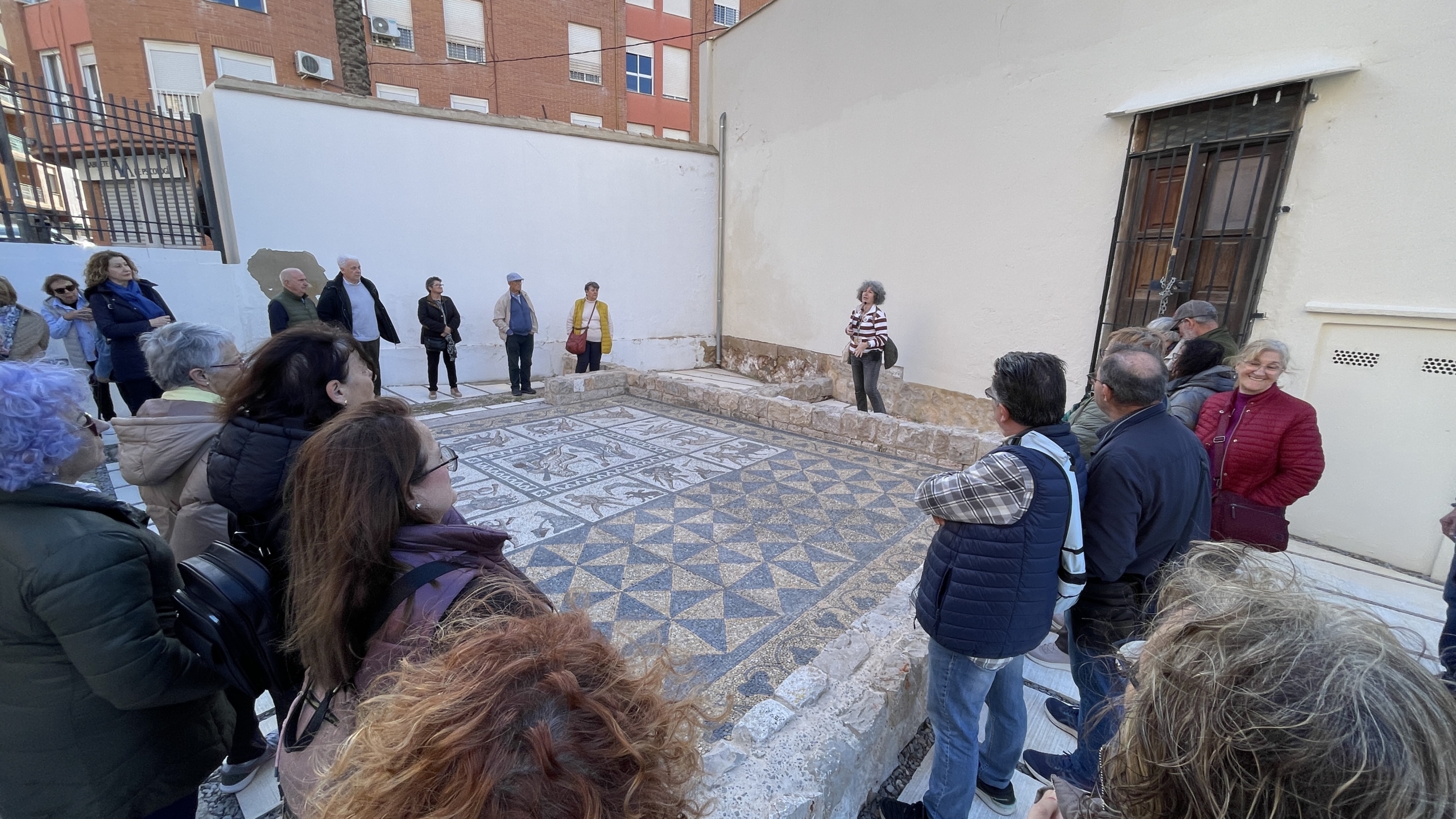
~ Visit to the Mosaic of the Twelve Labours of Hercules.
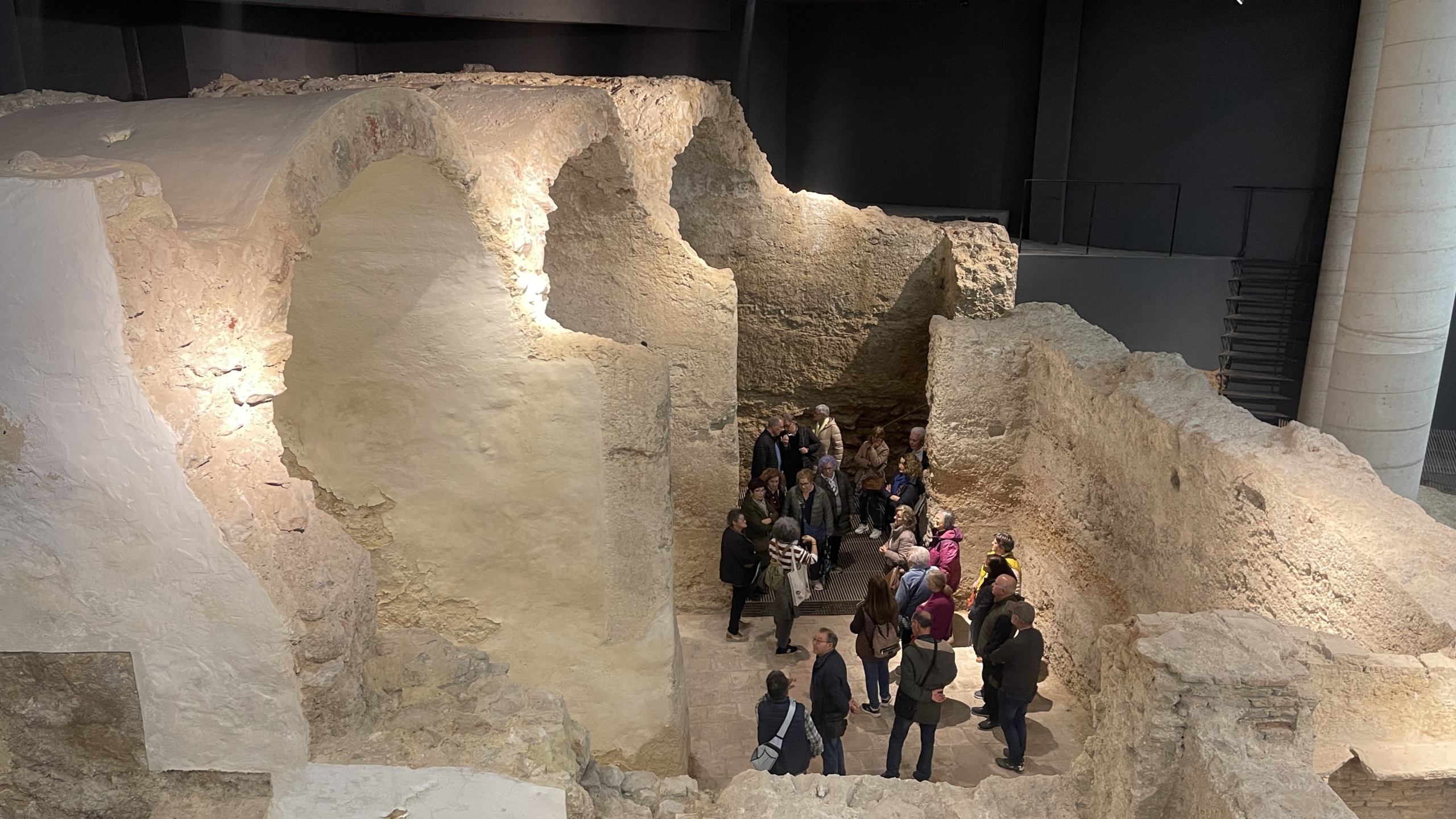
~ Visit to the Mura Roman Baths
~ Visit to the Arab Baths.
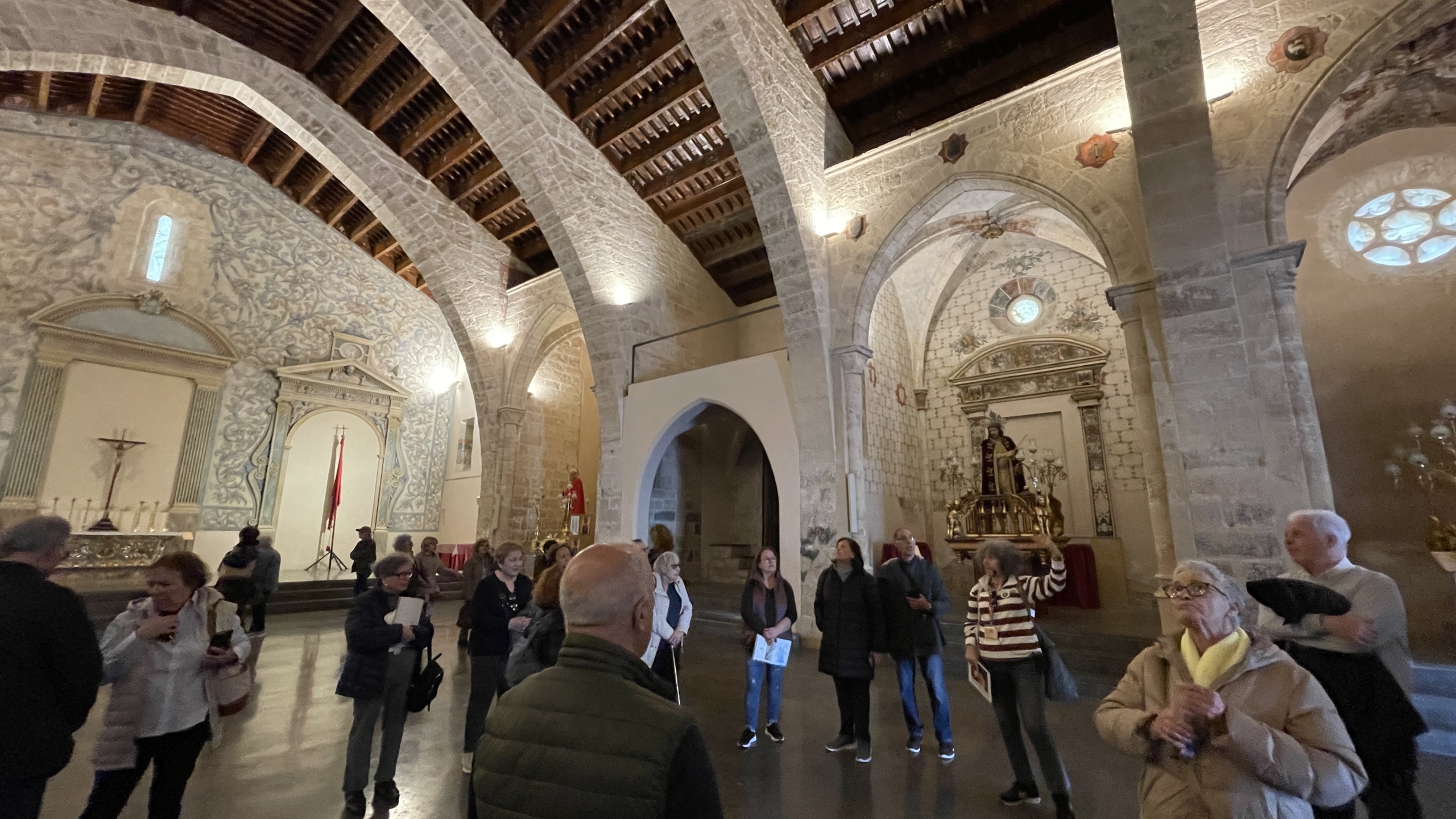
~ Visit to the Esglèsia de la Sang (Church of la Sang)
👩🏼🦽 Please note: this route includes steep slopes and stairs and may not be suitable for visitors with reduced mobility.
Contact us for more information
Aldaia – Alaquàs; Heritage between villages (València)
Two neighbouring towns, each with its own unique heritage. Originally two alqueries dating back to the Andalusian period, Alaquàs and Aldaia have grown side by side while preserving their distinct traditions.
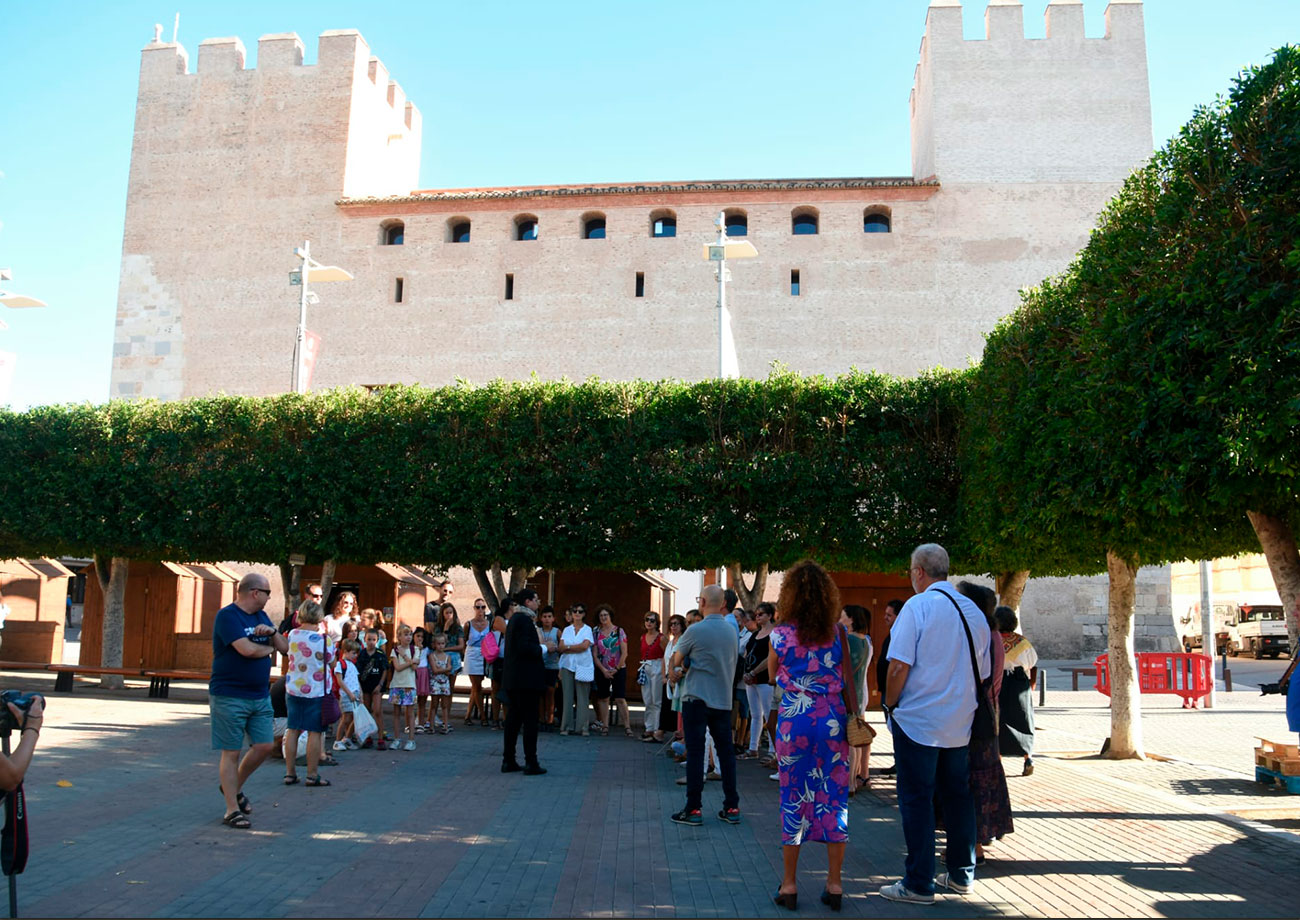
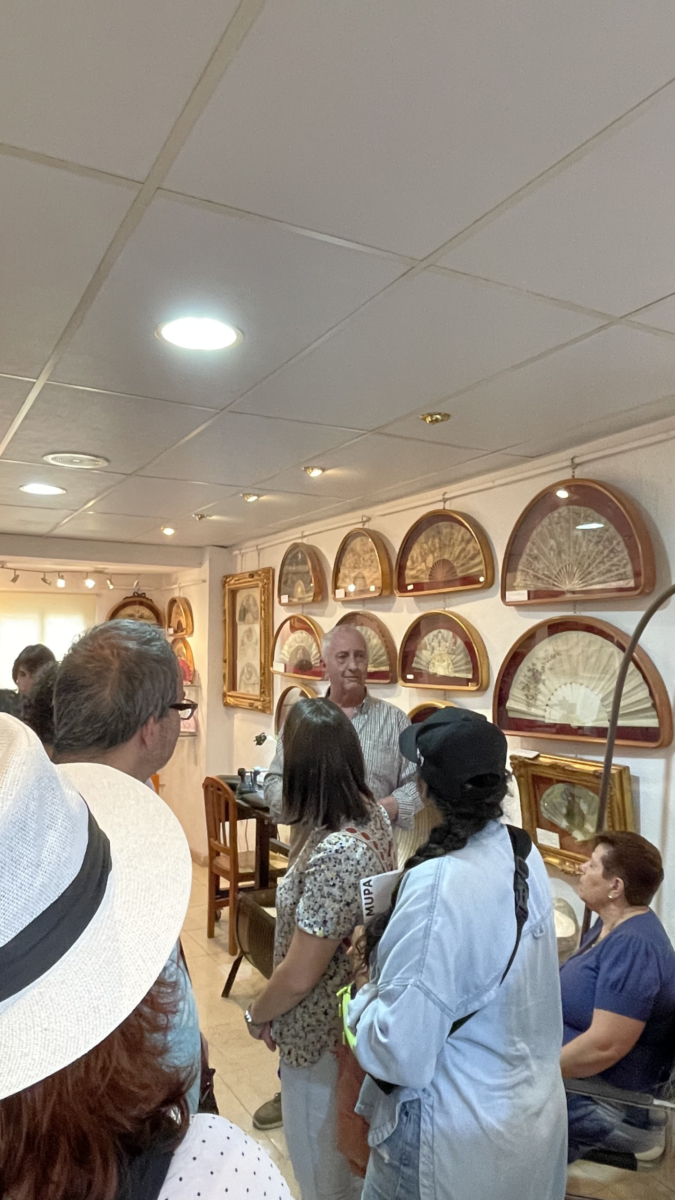
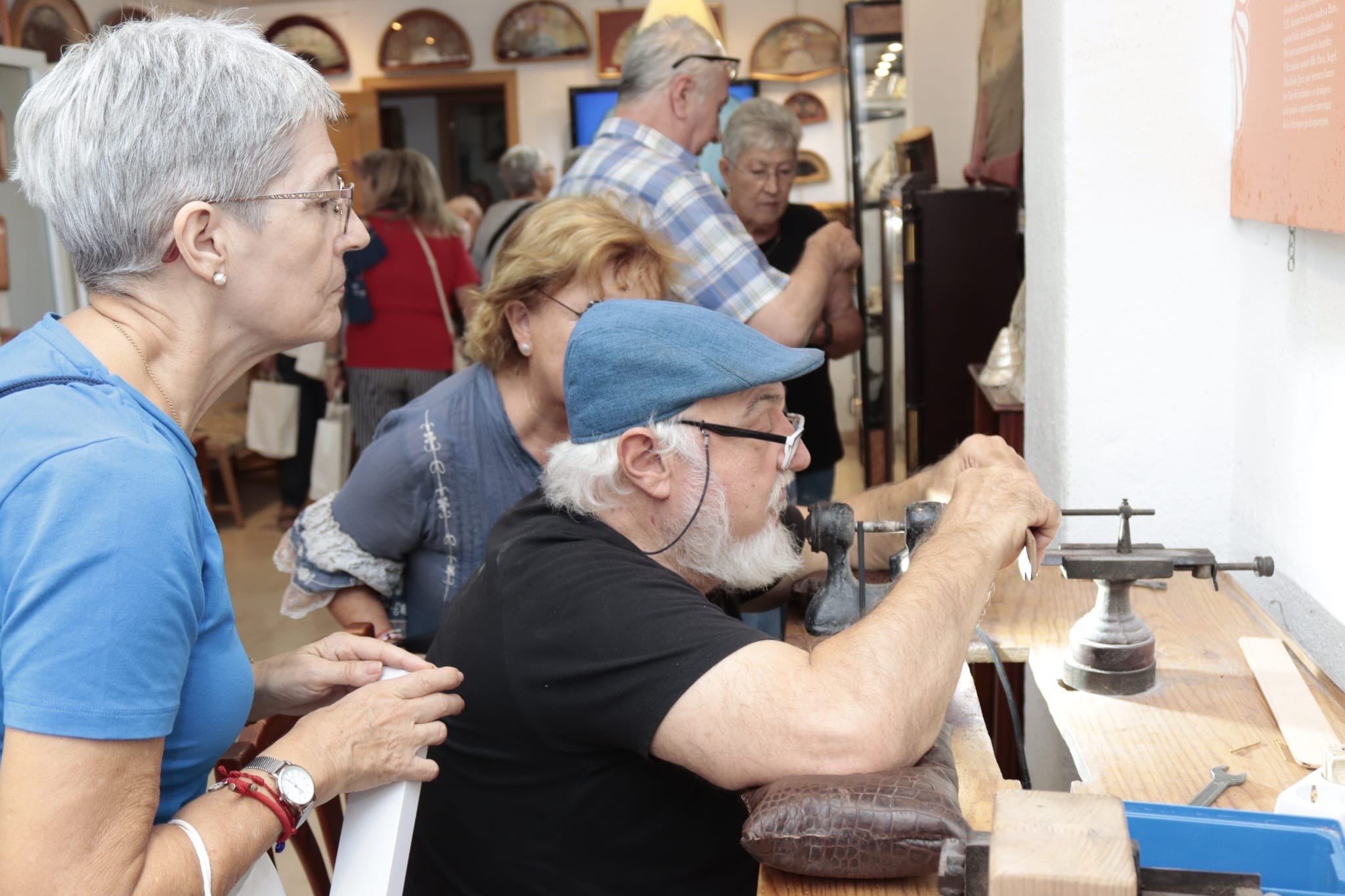
Discover the craftsmanship of Aldaia, famous for its centuries-old fan-making tradition, and explore the magnificent 16th-century Castle-Palace of Alaquàs, once home to the noble Torres-Aguilar family.
Join us to discover the history, traditions and heritage that make these two towns so special.
🕒 Schedule: 9:30 am – 2:00 pm
📅 Availability: All year round
👥 Group size: Approximately 50 people
👍 The activity includes:
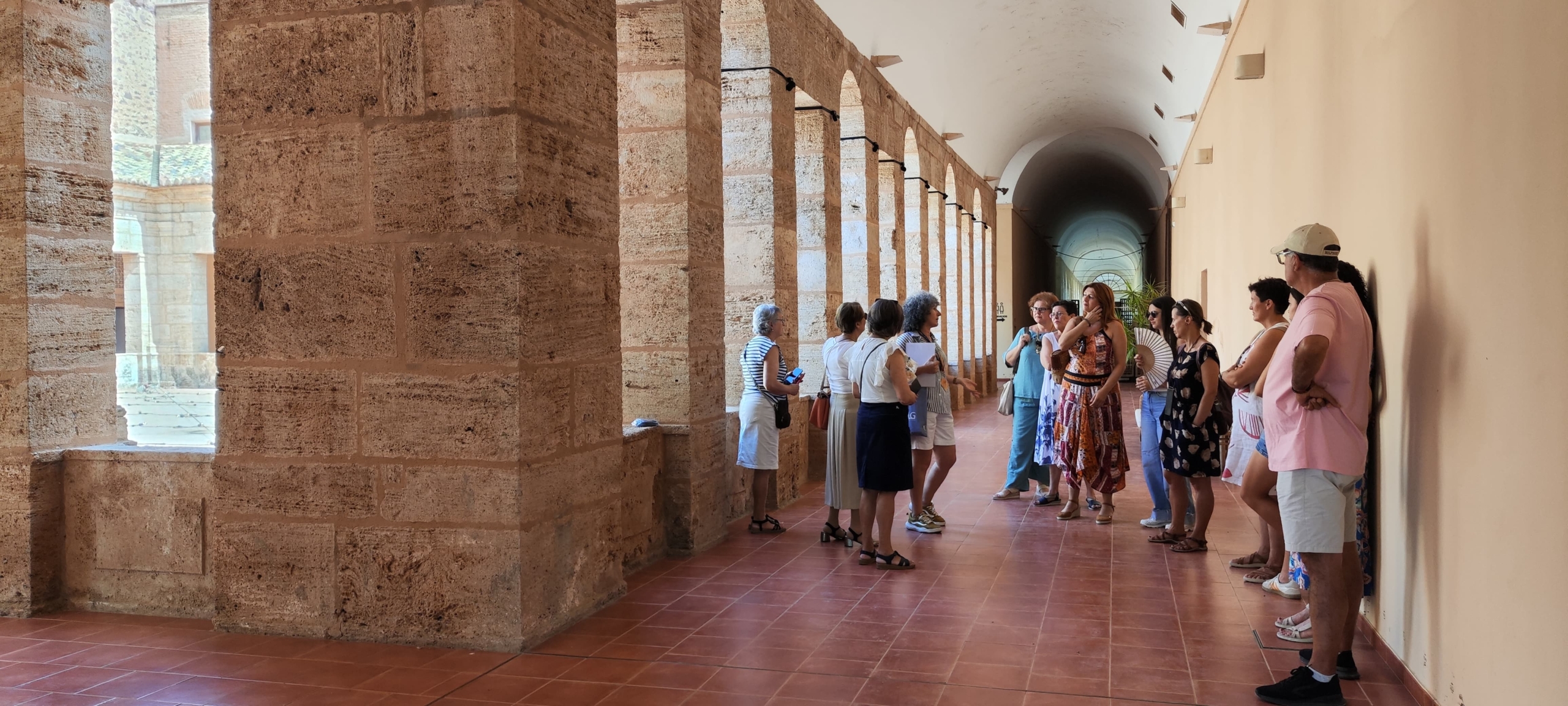
~ Guided tour of the 16th-century Castle-Palace of Alaquàs.
~ Visit to the artisan fan workshop of Ángel Blay Villa, the only workshop in the world that still produces mother-of-pearl fan sticks.
Contact us for more information.
El Puig de Santa María (València)
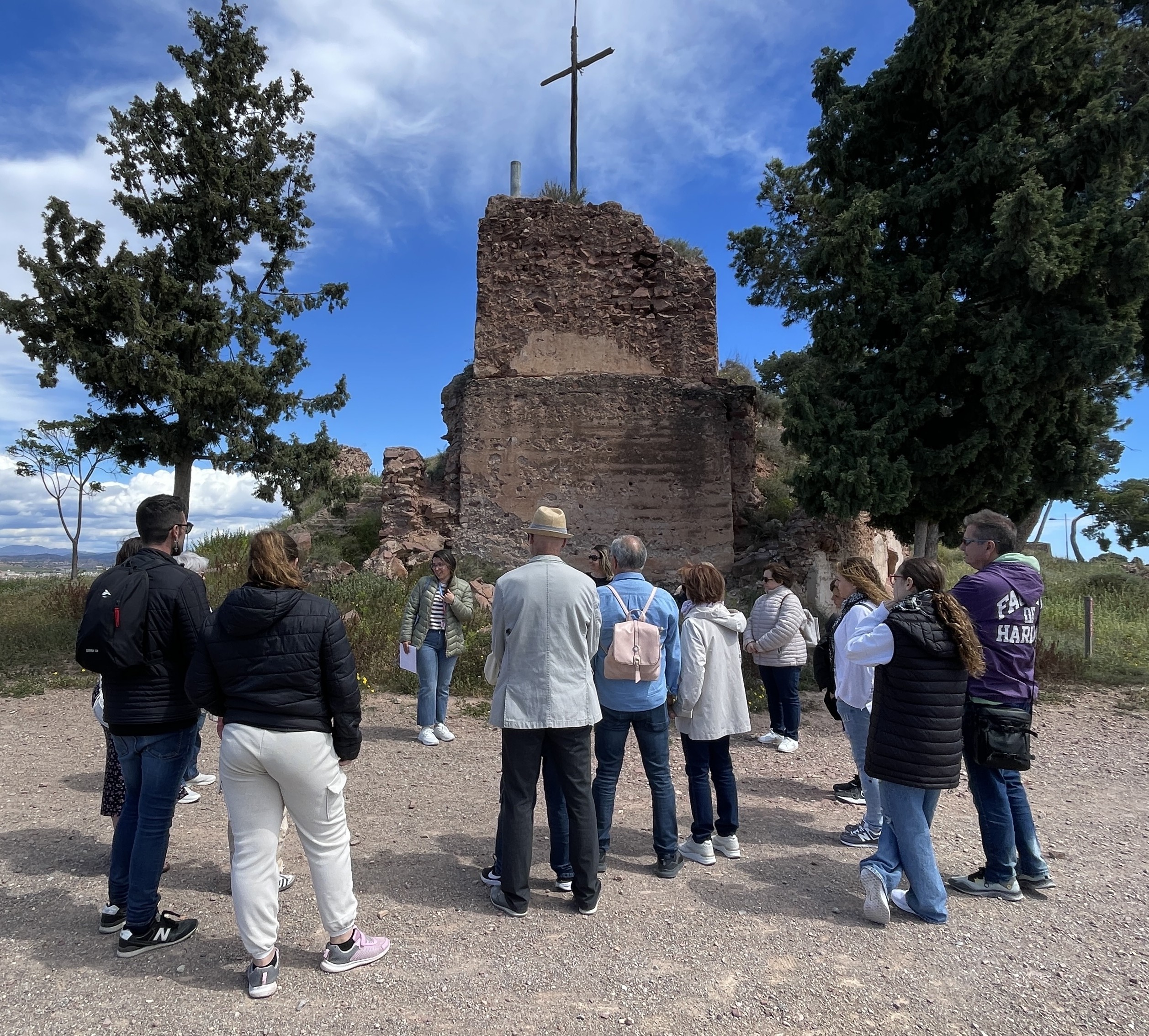
El Puig has always been a strategic location for the defence of València. Throughout history, it played a key role during the Muslim and Christian periods, in defending the city against pirate attacks, and even during the Spanish Civil War.
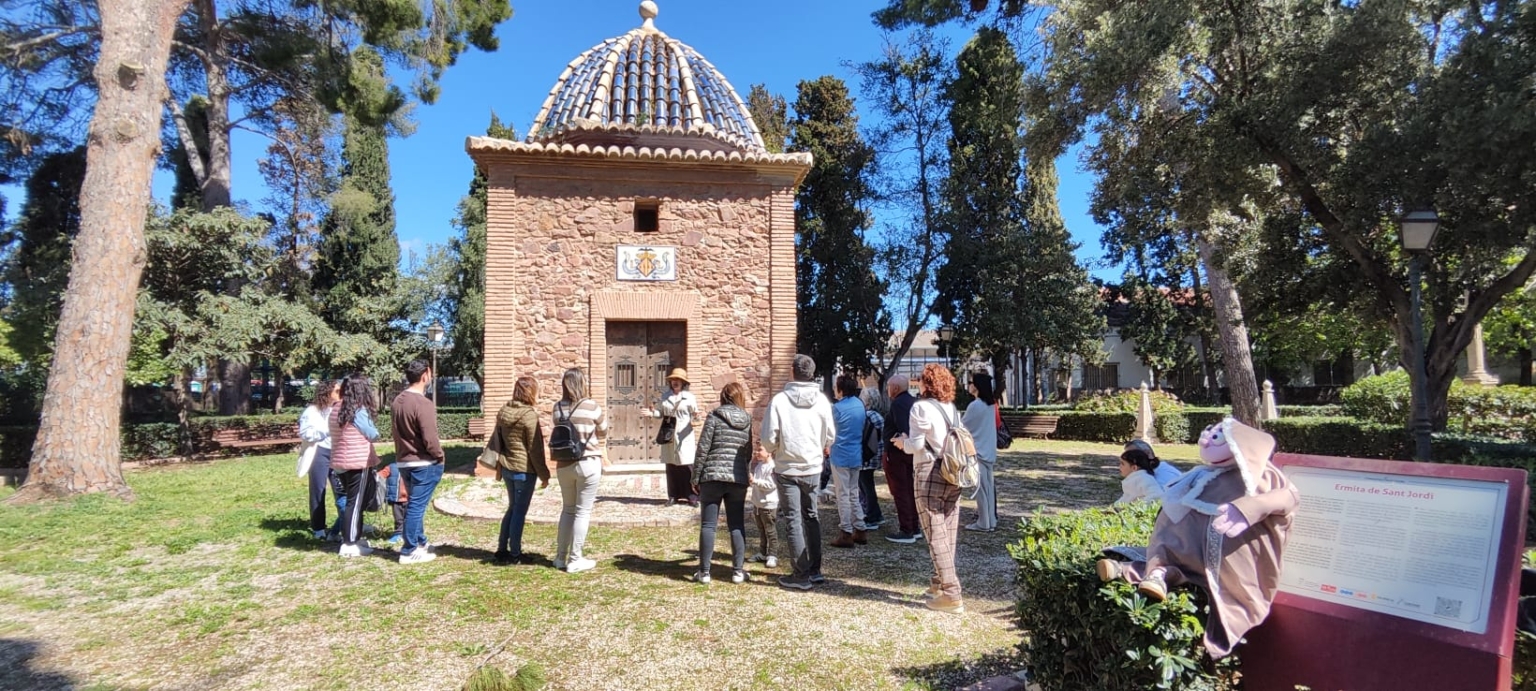
It is also closely linked to King Jaume I and the Christian conquest of Balansiya. What happened during the siege? Where did the famous Battle of El Puig take place? Has the Hermitage of Sant Jordi always stood where it is today?
Join us and discover unique places that can only be explored on this exclusive tour.
🕒 Schedule: 9:30 am – 2:00 pm
📅 Availability: All year round
👥 Group size: Approximately 50 people
👍 The activity includes:
~ Guided tour: “The Footprint of Jaume I”, including the climb to Castell de la Patà. (♿ Please note: this route includes steep slopes and stairs and may not be suitable for visitors with reduced mobility.)
~ Visit to the Hermitage of Sant Jordi.
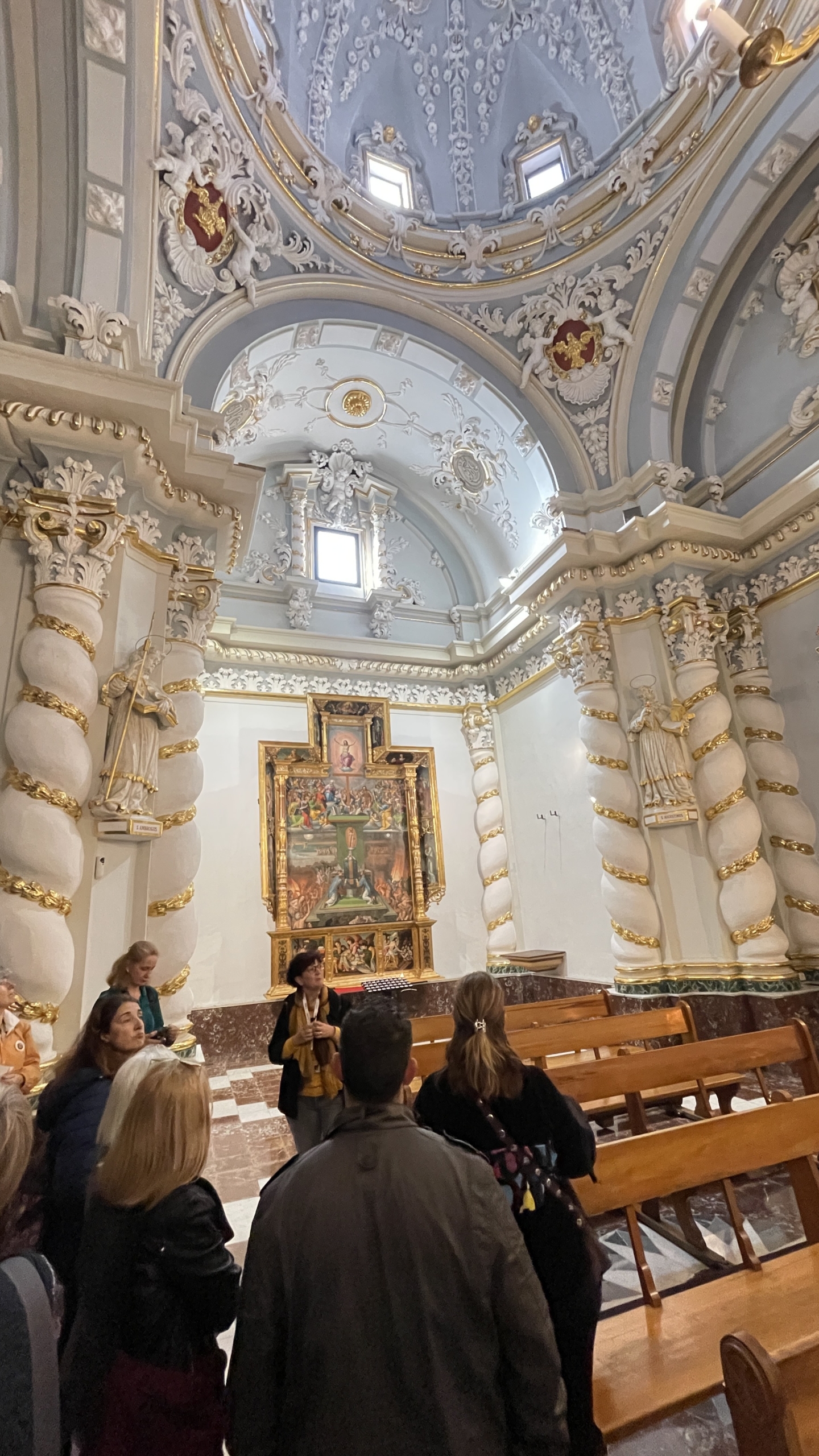
~ Guided tour of the 16th-century Cartuja de Ara Christi (please check the scheduled visiting dates).
Please note: The Royal Monastery is not included in this visit.
Contact us for more information.
Torrent (València)
The capital of the Horta Sud region, Torrent traces its origins back to the Andalusian period, when its impressive defensive tower was built. As you stroll through its historic streets, you will discover centuries of history, visit its museums and admire one of the town’s most remarkable churches.
Step back in time and explore the fascinating heritage of Torrent with us.
🕒 Schedule: 9:30 am – 2:00 pm
📅 Availability: All year round
👥 Group size: Approximately 50 people
👍🏽 The activity includes:
~ Visit to the Parish Church of the Assumption of Our Lady.
~ Visit to the Regional Museum.
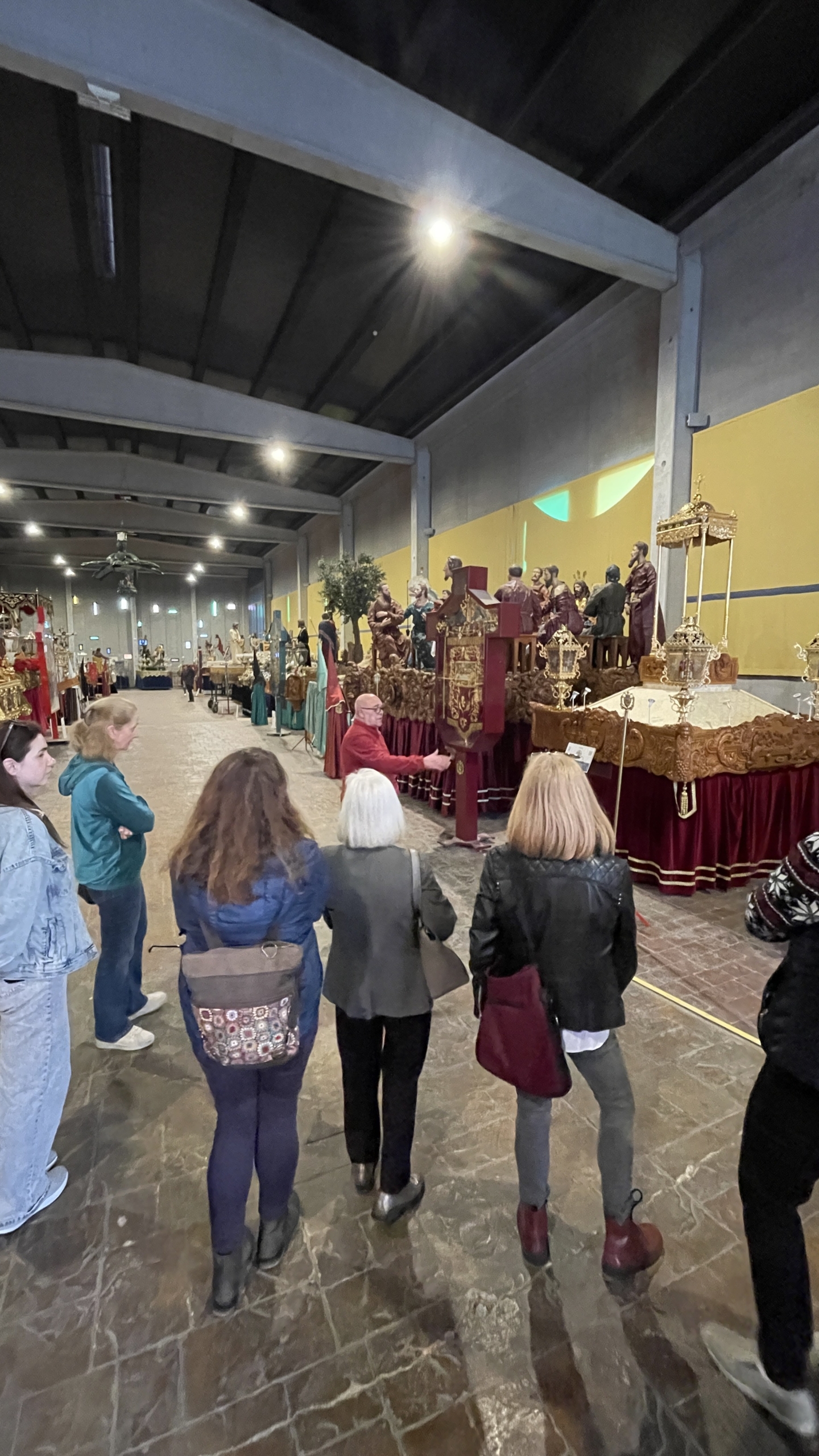
~ Guided tour of the Holy Week Museum.
Contact us for more information.
Historical periods
What happened in the past to shape our present?
Iberian Culture
Discover the fascinating world of the Iberians by visiting ancient settlements, fortresses and farming communities dating from the 6th to the 4th centuries BC. Learn about their way of life, explore remarkable archaeological sites and uncover the stories of one of the most fascinating ancient civilisations of the Iberian Peninsula.
Destinations to choose from:
- Llíria (Castellet de Bernabé, Tossal de Sant Miquel)
- Moncada (Tòs Pelat)
- Gátova (El Torrejón)
- Moixent (La Bastida de les Alcusses)
- Olocau (El Puntal dels Llops)
Roman Culture
Explore the legacy of the Roman Empire, which conquered these lands and left behind an extraordinary archaeological and cultural heritage. Discover impressive monuments, remarkable feats of engineering and the everyday life of one of history’s greatest civilisations.
Destinations to choose from:
- Llíria (Roman Mausoleums, Baths of Mura and the Ca Porcar Mosaic)
- Sagunto (Sagunto Castle, Archaeological Museum and Roman Banquet Experience)
- Chelva (Peña Cortada Roman Aqueduct)
The Middle Ages
Discover a time when Muslim, Jewish and Christian cultures coexisted, shaping many of the traditions, customs and ways of life that continue to influence our communities today.
Destinations to choose from:
- Alaquàs (16th-century Castle of Alaquàs and the historic centre)
- Chelva (Route of the Three Cultures: Christian, Muslim and Jewish)
- Segorbe (Medieval Segorbe Route)
- Náquera (The Origins and Lordship of Náquera)
- Llíria (Arab Baths, Medieval Oven of La Vila and the Church of La Sang)
The Spanish Civil War
Explore the places that preserve the memory of the Spanish Civil War, from trenches and air-raid shelters to historic buildings that witnessed one of the defining events in Spain’s recent history. Discover how this conflict shaped our towns and the heritage that still tells its story today.
Destinations to choose from:
- Alaquàs (Former Air-Raid Shelters Route, La Purísima Building, Cemetery and the Paterna Execution Wall)
- Buñol (Former Air-Raid Shelters Route and the Masonic Cemetery)
- El Puig (Trenches Route)
- Quart de Poblet (Route of Civil War Buildings and Former Air-Raid Shelters)